
For HR leaders, this shift isn’t only about policies, but about people — their experience, connection, creativity and sense of belonging. At the same time, it’s an opportunity to optimise workspace design and systems to support both organisational goals and employee well-being.
Why Employers Are Encouraging More Office Presence
Organisations are specifying increased office days for several interlinked reasons:
1. Collaboration, Culture, and Innovation
Leaders often view in-person interaction as a key driver of idea generation, team alignment and culture sharing. Face-to-face collaboration — whether informal conversations, cross-disciplinary problem solving, or spontaneous brainstorming — can be harder to replicate remotely. Some studies link in-office time with stronger knowledge sharing and innovation measures in complex environments.
2. Mentoring and Development
Especially for early-career employees, being physically present can accelerate learning, socialisation and career growth through informal mentoring that doesn’t occur on a schedule.
3. Sense of Belonging and Culture
Being in a shared physical space can strengthen team identity and psychological safety — a prerequisite for risk-taking and creativity. While hybrid work offers autonomy, clear communal routines and shared rituals (e.g., project kick-offs, huddles, retrospectives) help embed culture and reduce isolation.
Balanced Research Evidence: What the Data Says
Despite the benefits of in-office work, research supports a balanced view:
Hybrid Work Often Boosts Well-Being
Multiple surveys show that hybrid models — combining remote and in-office work — can improve happiness, health, sleep quality and stress reduction, while keeping employees productive and engaged.
Remote Work Can Improve Focus and Satisfaction
Remote work frequently produces flexibility, reduced commute stress, and deeper focus for individual tasks. Employees value autonomy and balance, and these factors often increase retention and job satisfaction.
Rigid Office Mandates Can Backfire
Strict five-day return-to-office policies, without sufficient flexibility or rationale, correlate with increased turnover intentions and job searching — particularly among workers who highly value autonomy.
This evidence suggests that “more office” can yield benefits only if experience, purpose and design are considered, rather than simply re-creating a pre-pandemic schedule.
Optimisation: Beyond Presence to Purpose
To successfully implement a 4-day in-office model, HR and organisational leaders should think in terms of experience and efficiency, not just attendance.
1. Intentional In-Office Days
Office presence should align with activities where it adds the most value — collaboration, team meetings, onboarding, cross-functional workshops — rather than routine individual tasks better done remotely.
2. Workplace Design Matters
A thoughtful workspace supports both focus and collaboration. Clean lines between collaboration zones, quiet work areas, and well-defined amenities reduce friction and make time in the office feel worthwhile — for employees as well as teams.
3. Fixed vs Flexible Seating
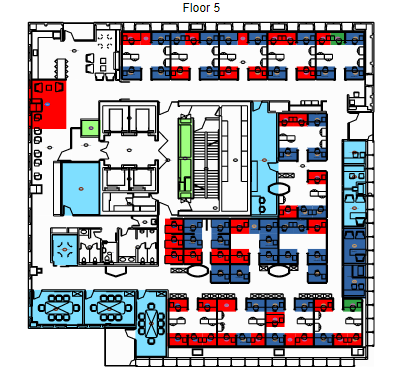
A mix of fixed desks (for teams or individuals who benefit from consistency and territoriality) and flexible/hot-desking (for roaming collaborators or part-time office workers) acknowledges diverse work styles. This is where seating and workplace management systems — like those offered by POC — add direct value: ensuring that employees feel supported, secure, and connected, regardless of their schedule.
Questions HR Often Asks (and How to Think About Them)
Q1: Won’t employees resist a shift back to more office days?
Yes — unless they understand why they’re being asked to come in, and how the office experience benefits them professionally and socially. Clear communication about purpose and expectations is crucial.
Q2: Should we force fixed seating or allow more flexibility?
A balanced approach works best. Fixed seating supports belonging and predictability; flexible seating optimises space and cost. Systems that let staff reserve spaces, while preserving team proximity, bridge both objectives.
Q3: How do we measure success?
Use both operational metrics (utilisation, collaboration frequency) and experience metrics (employee feedback on belonging, idea generation, mentorship opportunities). This dual lens ensures decisions are grounded in impact, not just presence.
Q4: Can hybrid still play a role if we want 4 days in the office?
Yes — hybrid models scale. Even with four office days, elements of remote autonomy remain valuable for sustainability and well-being. The goal isn’t zero remote work; it’s intentional together time.

Conclusion: Intentional Presence Drives Value
A shift to four days in the office isn’t simply about attendance, it’s about intention, connection, and workplace design. When in-office time is structured around collaboration, culture and community — supported by smart seating strategies and workplace systems — organisations unlock not just operational gains but meaningful experiences that resonate with employees. Thoughtful implementation — that honours both organisational goals and human needs — is the key to a return-to-office strategy that works for everyone.


